Peeling Facials
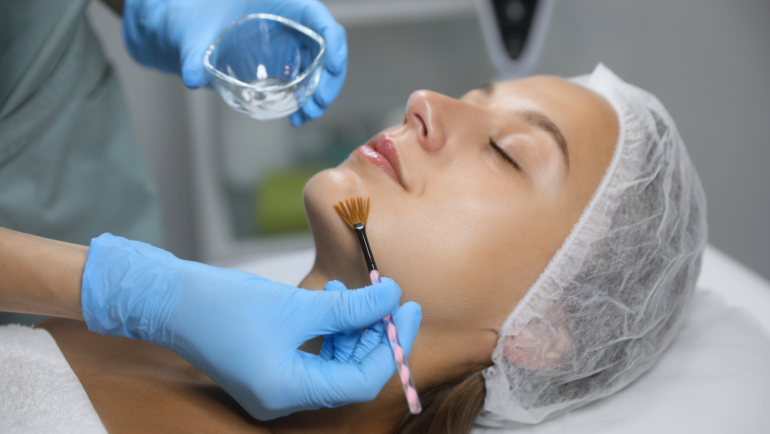
Peeling facials, also known as chemical peels, are a type of facial that uses a chemical solution to exfoliate the skin. By removing the top layer of dead skin cells, peeling facials reveal a smoother, brighter, and more youthful complexion.
There are several types of chemical peels available, each with different strengths and formulations. Some peels use alpha-hydroxy acids (AHAs) such as glycolic or lactic acid, while others use beta-hydroxy acids (BHAs) like salicylic acid. There are also peels that use trichloroacetic acid (TCA) or a combination of these ingredients.
Peeling facials can be customized to suit different skin types and concerns. For example, a gentle peel might be recommended for those with sensitive skin or mild concerns, while a stronger peel might be better for someone with more severe issues such as acne scarring or hyperpigmentation.
Benefits of Peeling Facials
- Smoothing fine lines and wrinkles
- Reducing the appearance of acne scars and hyperpigmentation
- Improving skin texture and tone
- Unclogging pores and reducing the appearance of blackheads and whiteheads
- Boosting collagen production, which can help plump up the skin and reduce the signs of aging
What to Expect During a Peeling Facial
Before your peeling facial, your esthetician will assess your skin and recommend the best type of peel for your concerns. They will also provide you with pre-treatment instructions, which may include avoiding certain skincare products and medications.
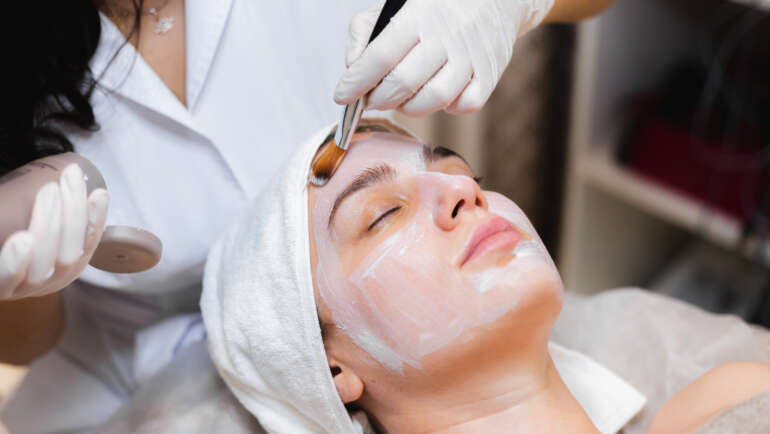
During the treatment, the peel solution will be applied to your skin using a brush or cotton swab. You may feel a mild tingling or burning sensation, which is normal. After a few minutes, the solution will be neutralized with water and removed from your skin.
After the treatment, your skin may be slightly red and sensitive. You should avoid sun exposure and wear a broad-spectrum sunscreen to protect your skin. Your esthetician will provide you with post-treatment instructions, which may include using specific skincare products and avoiding certain activities for a few days.
If you’re interested in a peeling facial, contact us to book an appointment with one of our experienced estheticians. We’ll help you choose the right peel for your concerns and provide you with personalized skincare advice to help you maintain your results.
Advanced Skin Renewal with Gentle, Result-Driven Care
LANA Special Chemical and Organic Peeling Facials are customized skin-renewal treatments designed to improve texture, tone, and clarity while respecting the skin’s unique biology. These treatments combine medical-grade chemical peels and botanical organic peels, selected based on skin concerns, sensitivity level, and overall skin health.
Our protocols are suitable for Fitzpatrick skin types 0–6 and are carefully adjusted to support clients with sensitive skin, autoimmune conditions, or temporary discoloration caused during or after medical treatments, including oncology care.
Skin Conditions We Treat
Hyperpigmentation
Targets uneven pigmentation, dark spots, and post-inflammatory discoloration. Gradual peeling cycles promote brighter, more even skin tone without aggressive irritation.
Age Management
Improves fine lines, dullness, and loss of elasticity by stimulating cell turnover and collagen support. Results improve progressively with a planned treatment calendar.
Acne
Helps reduce active breakouts, congestion, and post-acne marks. Peels are selected to calm inflammation while improving skin clarity and balance.
Sensitive Skin
Organic and low-strength chemical peels are chosen to strengthen the skin barrier while improving tone and texture gently and safely.
Scalp Peeling (Dandruff,Seborrheic
Specialized scalp exfoliation supports circulation, removes buildup, and enhances scalp health—often combined with hair-regrowth protocols.
Body Peeling
Addresses body acne, pigmentation, rough texture, and uneven tone on areas such as the back, arms, chest, and legs.
Rosacea
Carefully selected peel formulations help improve texture and redness while supporting reactive and vascular-prone skin.
Dry Skin (Severely Dry Skin)
Gentle peeling improves hydration retention and skin renewal without stripping natural oils, ideal for chronically dry or compromised skin.
Fitzpatrick Skin Types 0–5 Compatibility
Our peel treatments are customized for all skin tones, from very fair to deeply pigmented skin. Protocols are adjusted based on:
• Pigmentation risk
• Sensitivity level
• Skin thickness
• Underlying medical conditions
This ensures safe, effective results without unnecessary irritation or post-inflammatory hyperpigmentation.
Support for Health-Challenging Clients
Some LANA peeling treatments are specifically suitable for clients experiencing temporary skin discoloration or texture changes during or after medical treatments, including cancer care. These protocols focus on:
• Skin comfort
• Barrier repair
• Gentle pigment correction
• Confidence restoration
All treatments are performed with a compassionate, conservative approach.
Benefits of Chemical & Organic Peeling Facials
- Improves skin tone and texture
- Reduces pigmentation and discoloration
- Supports acne-prone and sensitive skin
- Suitable for Fitzpatrick 0–6
- Gentle options for health-challenged clients
- Enhances product absorption
- Minimal downtime (based on peel type)
- Customized, result-driven treatment calendar
Treatment Experience & Results
- Treatment time: 30–45 minutes
- Mild tingling or warmth may be felt
- Light peeling or flaking may occur (depending on peel)
- Results improve over 1–3 weeks
- Best outcomes achieved through a series of treatments
 833-526-2123
Frequently Asked Questions (FAQs)
What is the difference between chemical and organic peels?
Chemical peels use clinically formulated acids, while organic peels rely on botanical enzymes and plant-based exfoliation. Both are customized to your skin.
Are these peels safe for dark skin tones?
Yes. Our treatments are suitable for Fitzpatrick skin types 0–6 with protocols designed to minimize pigmentation risks.
Can peeling facials help with medical-treatment-related discoloration?
Yes. Certain gentle peels are ideal for temporary discoloration during or after medical or cancer treatments.
Will my skin peel after treatment?
Peeling depends on the type of peel used. Some treatments cause minimal to no visible peeling.
Are peeling facials painful?
Most clients experience mild tingling or warmth, which is temporary and well tolerated.
How many sessions are recommended?
A series of 3–6 sessions is commonly recommended for optimal results.
Is there downtime?
Downtime varies. Many peels allow return to normal activities immediately.
Can these peels help with acne and acne scars?
Yes. Peeling facials help control breakouts and improve post-acne discoloration and texture.
Are peeling facials suitable for sensitive or rosacea-prone skin?
Yes, when using organic or low-strength chemical formulations chosen specifically for sensitivity.
Can peeling facials be combined with other treatments?
Absolutely. They are often combined with facials, microneedling, or hydration treatments for enhanced results.